
SXL
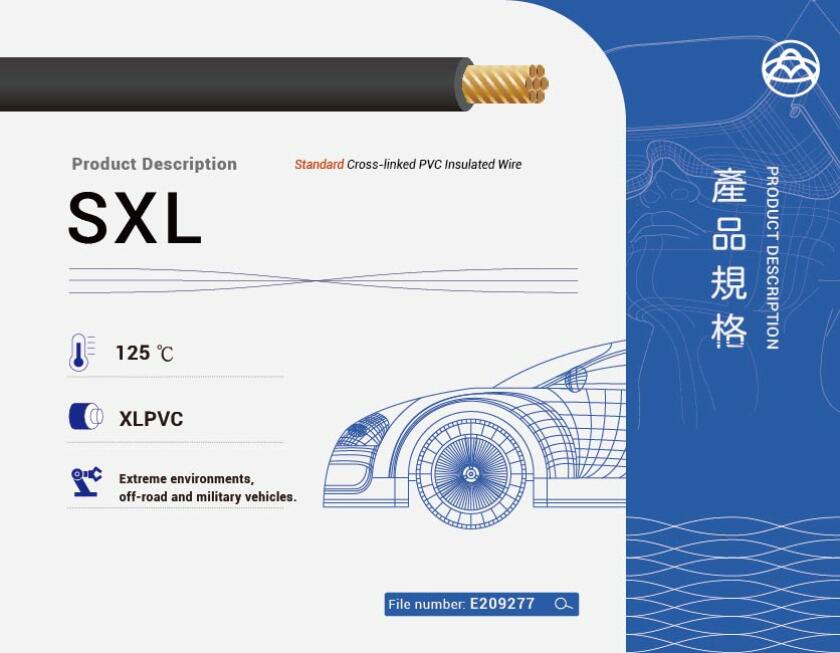
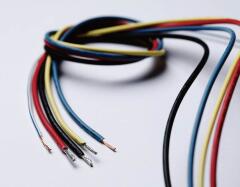
SXL automotive wire with heavy-wall XLPE insulation, rated -40°C to +125°C. Delivers heat, oil, and abrasion resistance for engine, battery, and heavy-duty vehicle wiring.
SXL Automotive Wire – Heavy-Wall XLPE Insulated Cable for High-Temperature Vehicle Applications
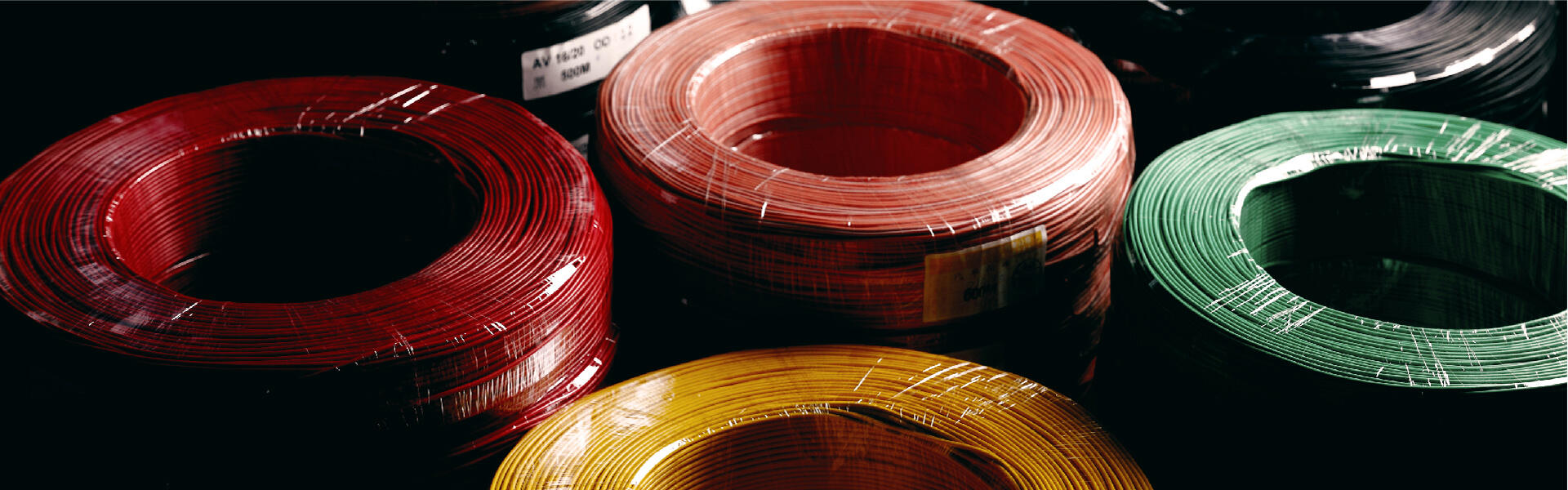
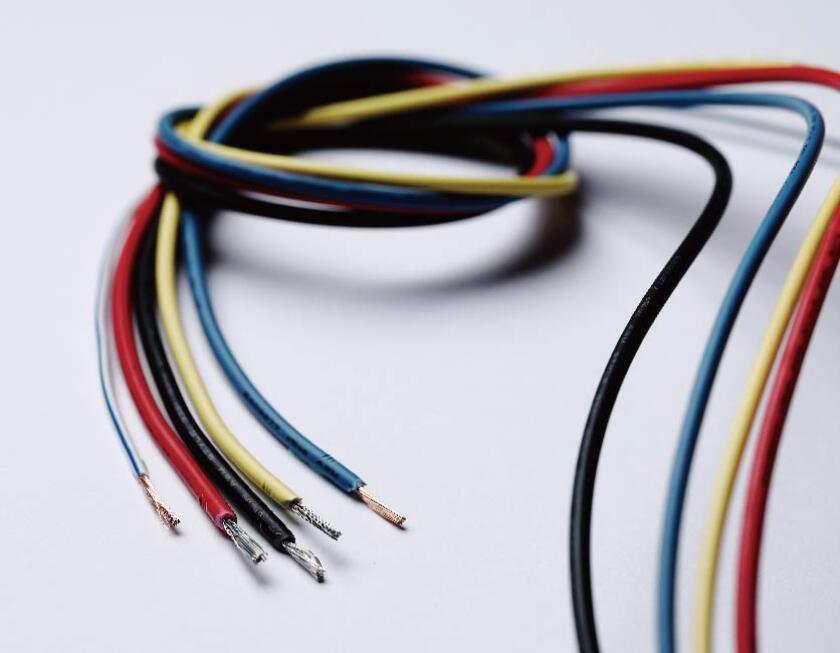
SXL automotive wire is a heavy-wall insulated wire constructed with Cross-Linked Polyethylene (XLPE), engineered for high-temperature and harsh automotive environments. With a temperature rating of -40°C to +125°C and voltage up to 60V, it provides robust protection for power and signal circuits in engine compartments, battery lines, and control systems.
Its thick XLPE insulation resists heat, oil, abrasion, and chemicals while maintaining flexibility, making it suitable for heavy-duty vehicle platforms, agricultural equipment, and industrial transport systems. SXL wire meets SAE J1128 and OEM specifications including Ford M1L-85B and Chrysler MS-5919.
Features
- Operating temperature range: -40°C to +125°C
- Rated for up to 60V automotive systems
- Heavy-wall cross-linked polyethylene (XLPE) insulation
- Stranded bare copper for excellent conductivity
- Meets SAE J1128, Ford M1L-85B, Chrysler MS-5919
Application
- Engine compartments and battery cables in heavy-duty vehicles
- Automotive power distribution and high-load circuits
- Control panels in trucks, buses, and off-road machinery
- Industrial equipment and agricultural vehicle wiring
- High-temperature and oil-resistant routing in harsh conditions
SXL wire's rugged construction and thermal resilience make it the preferred choice for demanding OEM and aftermarket applications, where durability and electrical performance are essential.
Mechanical and Thermal Properties – SAE J1128 Testing
| SAE Cable Type | Min. Tensile Strength (MPa) | Min. Tensile Strength (psi) | Min. Elongation (%) | Test Temp (°C ±2°C) | Temp Class Rating (°C ±2°C) |
| TWP / GPT / HDT | 11 | 1600 | 125 | 110 | 80 |
| STS / HTS | 7 | 1000 | 150 | 110 | 80 |
| TXL / GXL / SXL | 10 | 1500 | 150 | 155 | 125 |
| TWE / GTE / HTE | 11 | 1600 | 200 | 150 | 120 |
Note: The above accelerated aging temperatures are appropriate for insulating materials currently specified in this standard. Different test conditions may be necessary for other materials.
相关产品

TXL
TXL automotive wire with thin-wall XLPE insulation, rated -40°C to +125°C. Offers heat resistance, flexibility, and durability for wiring harnesses and vehicle power systems.
GXL
GXL automotive wire with XLPE insulation, rated -40°C to +125°C. Provides heat resistance, flexibility, and durability for wiring harnesses, power, and control circuits.
GPT
GPT automotive wire with PVC insulation, SAE J1128 compliant and rated -40°C to +80°C. Ideal for dashboards, lighting, control modules, and low-voltage automotive circuits.
HDT
HDT automotive wire with heavy-wall PVC insulation, SAE J1128 compliant and rated -40°C to +80°C/60V. Ideal for batteries, power circuits, and rugged off-road wiring.
TWP
TWP automotive wire with thin-wall PVC insulation, SAE J1128 compliant and rated -40°C to +80°C/60V. Ideal for dashboards, control circuits, and light-duty signal wiring.